


2026 Summit on Access to Justice
November 23 to 25, 2026
Library and Archives Canada
395 Wellington Street, Ottawa, ON
SPEAKER BIOGRAPHIES

Abdi Aidid
Biography forthcoming.
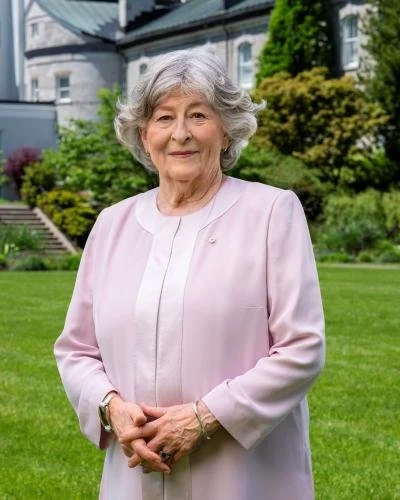
Her Excellency the Right Honourable Louise Arbour, Governor General of Canada
Her Excellency the Right Honourable Louise Arbour, Governor General of Canada, was sworn in on June 8, 2026. She is the 31st governor general of Canada.
Born in Montréal, Quebec, she studied at Collège Regina Assumpta and earned her Licentiate in Law (LL.L.) from the Université de Montréal in 1970. She later completed graduate studies at the University of Ottawa while clerking at the Supreme Court of Canada for the Honourable Justice Louis-Philippe Pigeon. She was called to the Quebec Bar in 1971, and to the Ontario Bar in 1977.
Ms. Arbour’s distinguished career has spanned academia, the judiciary, international criminal law and global human rights leadership. From 1972 to 1973, she was a research officer at the Law Reform Commission of Canada. She then joined Osgoode Hall Law School at York University, where she taught and later became associate dean, gaining recognition for her scholarship in criminal law, public law and civil liberties.
Her judicial career began in 1987, with her appointment to the Supreme Court of Ontario. Three years later, she was appointed to the Court of Appeal for Ontario. In 1995, she led the Commission of inquiry into certain events at the Prison for Women in Kingston. The commission’s 1996 report became a landmark in Canadian corrections, reinforcing the rule of law and shaping long-term reforms, particularly for women’s institutions.
From 1996 to 1999, Ms. Arbour served as chief prosecutor for the International Criminal Tribunal for the former Yugoslavia and the International Criminal Tribunal for Rwanda. In this role, she strengthened the tribunals’ effectiveness through innovations such as sealed indictments and advanced enforcement efforts, including the indictment of Serbian president Slobodan Milošević—the first indictment of a sitting head of State by an international tribunal. Her tenure also contributed to major jurisprudential advances, including recognition in international law that sexual violence can constitute an act of genocide and a crime against humanity.
Ms. Arbour was appointed to the Supreme Court of Canada in 1999, and served until 2004, contributing to important decisions in constitutional and criminal law and advancing a principled approach to the interpretation of the Canadian Charter of Rights and Freedoms.
From 2004 to 2008, Ms. Arbour was the United Nations (UN) high commissioner for Human Rights, focusing on accountability, institutional reform and stronger global human rights mechanisms. She later served as president and chief executive officer of the International Crisis Group from 2009 to 2014, and as special representative of the UN Secretary-General for International Migration from 2017 to 2018, where she helped guide global migration policy.
From 2021 to 2022, Ms. Arbour led an independent review of Canada’s Department of National Defence and the Canadian Armed Forces, where she recommended wide-ranging reforms to address sexual misconduct and institutional culture. She has been senior counsel at Borden Ladner Gervais LLP since 2015.
In recognition of her contributions, Ms. Arbour has received numerous awards and honours, including the Tang Prize in Rule of Law and the O’Connor Justice Prize. She is a Companion of the Order of Canada and a Grande officière de l’Ordre national du Québec. She holds 42 honorary doctorates from universities in Canada and abroad.
-
Son Excellence la très honorable Louise Arbour, gouverneure générale du Canada, a été assermentée le 8 juin 2026. Elle est la 31e gouverneure générale du Canada.
Née à Montréal, au Québec, elle a étudié au Collège Regina Assumpta et a obtenu son baccalauréat en droit civil (LL.L.) à l’Université de Montréal en 1970. Elle a ensuite poursuivi des études supérieures à l’Université d’Ottawa tout en occupant un poste d’auxiliaire juridique à la Cour suprême du Canada, auprès de l’honorable juge Louis-Philippe Pigeon. Elle a été admise au Barreau du Québec en 1971 et au Barreau de l’Ontario en 1977.
Mme Arbour a mené une brillante carrière qui l’a amenée à évoluer dans le milieu universitaire, la magistrature, le droit pénal international et la défense des droits de la personne à l’échelle internationale. De 1972 à 1973, elle a occupé le poste d’agente de recherche à la Commission de réforme du droit du Canada. Elle a ensuite intégré la Faculté de droit Osgoode Hall à l’Université York, établissement où elle a enseigné et avant d’en devenir la vice-doyenne, tout en bâtissant sa réputation par ses travaux en droit pénal, en droit public et en matière de libertés civiles.
Elle a commencé sa carrière judiciaire en 1987, lorsqu’elle a été nommée à la Cour suprême de l’Ontario. Trois ans plus tard, elle a été nommée à la Cour d’appel de l’Ontario. En 1995, elle a dirigé la Commission d’enquête sur certains événements survenus à la Prison des femmes de Kingston. Publié en 1996, le rapport de la commission est devenu une référence dans le domaine correctionnel canadien, réaffirmant la primauté du droit et entraînant des réformes à long terme, en particulier dans les établissements pour femmes.
De 1996 à 1999, Mme Arbour a occupé le poste de procureure en chef du Tribunal pénal international pour l’ex-Yougoslavie et du Tribunal pénal international pour le Rwanda. Dans ces rôles, elle a renforcé l’efficacité des tribunaux, grâce à des innovations telles que les mises en accusation sous pli scellé, et a réussi des avancées majeures au chapitre de l’application de la loi, comme l’inculpation du président serbe Slobodan Milošević – la première inculpation d’un chef d’État en exercice par un tribunal international. Pendant son mandat, elle a aussi contribué à des avancées jurisprudentielles notables, dont la reconnaissance, en droit international, du fait que la violence sexuelle peut constituer un acte de génocide et un crime contre l’humanité.
Mme Arbour a été nommée à la Cour suprême du Canada en 1999 et y a siégé jusqu’en 2004. Elle y a pris part à d’importantes décisions en matière de droit constitutionnel et de droit pénal, tout en préconisant une approche fondée sur des principes en ce qui concerne l’interprétation de la Charte canadienne des droits et libertés.
De 2004 à 2008, Mme Arbour a occupé le poste de haute-commissaire des Nations Unies aux droits de l’homme, où elle s’est attachée à promouvoir la reddition de comptes, la réforme institutionnelle ainsi que le renforcement des mécanismes mondiaux de protection des droits de la personne. De 2009 à 2014, elle a occupé les fonctions de présidente-directrice générale de l’International Crisis Group, puis, de 2017 à 2018, de représentante spéciale du secrétaire général des Nations Unies pour les migrations internationales, où elle a contribué à définir la politique mondiale en matière de migrations.
De 2021 à 2022, Mme Arbour a mené un examen indépendant du ministère de la Défense nationale du Canada et des Forces armées canadiennes, au terme duquel elle a recommandé des réformes en profondeur pour lutter contre l’inconduite sexuelle et changer la culture au sein de ces institutions. Elle occupait depuis 2015 le poste d’avocate-conseil principale chez Borden Ladner Gervais LLP.
En reconnaissance de ses contributions, Mme Arbour a reçu de nombreux prix et distinctions, dont le prix Tang pour la primauté du droit et le prix O’Connor pour la justice. En outre, elle est compagnon de l’Ordre du Canada et grande officière de l’Ordre national du Québec, ainsi que titulaire de 42 doctorats honorifiques décernés par des universités du Canada et de l’étranger.
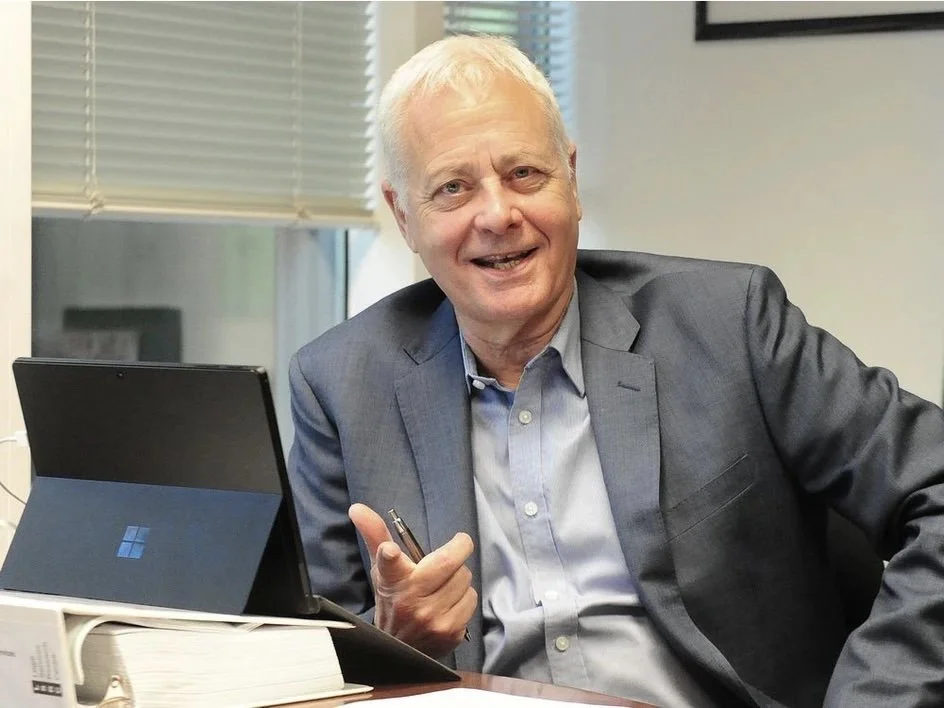
Mark Benton
Mark Benton, K.C.
· Mark practiced law from 1980 to 2022 and served as the CEO of Legal Aid BC from 2003 to 2022. His legal practice experience includes advising and representing low-income clients and groups in courts and tribunals, appellate advocacy, and four years as an adjunct professor at the University of British Columbia Faculty of Law.
· Mark is a founding member of Canada’s Action Committee on Access to Civil and Family Justice and currently serves as vice chair.
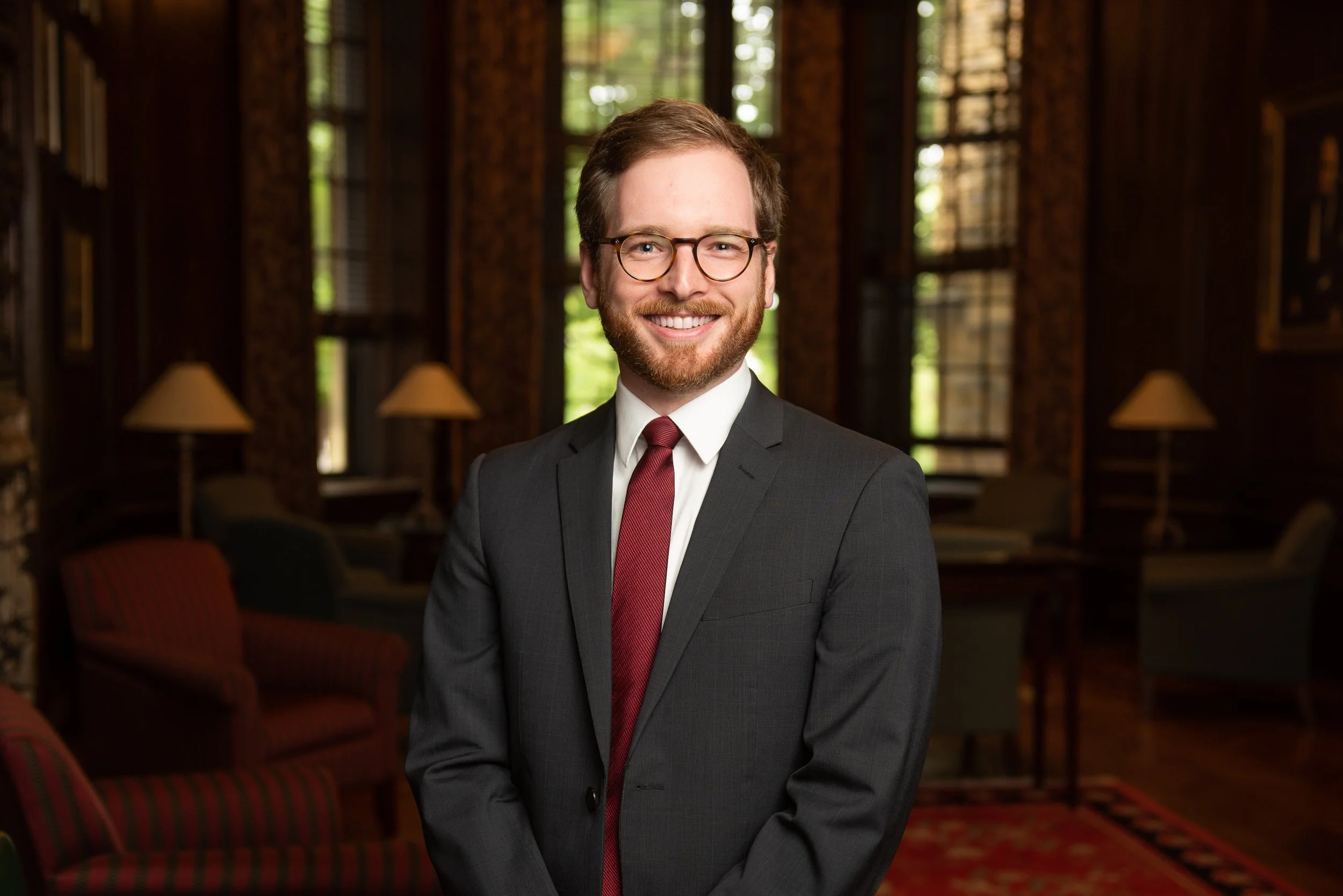
Jérémy Boulanger-Bonnelly
Jérémy Boulanger-Bonnelly is a lawyer and assistant professor at McGill University’s Faculty of Law, where his research focuses on access to justice in civil matters. He is particularly interested in legal and judicial reforms that promote people-centred justice and community participation. He holds a Doctor of Juridical Science degree from the University of Toronto, where he was a Vanier Scholar and a Pierre Elliott Trudeau Foundation Scholar. Prior to his academic career, he worked as a law clerk at the Supreme Court of Canada and as a civil litigation associate at Norton Rose Fulbright in Montreal. In addition to his research and teaching, he remains involved in several community initiatives, including pro bono constitutional litigation, various committees of the Canadian Bar Association, the National Self-Represented Litigants Project, and the Action Committee on Access to Justice. He is also a research affiliate at the Quebec Institute for Law and Justice Reform.
***
Jérémy Boulanger-Bonnelly est avocat et professeur adjoint à la Faculté de droit de l'Université McGill, où ses recherches portent sur l'accès à la justice civile. Il s’intéresse, plus particulièrement, aux réformes du droit et de la justice qui mettent de l’avant la justice centrée sur les personnes et la participation communautaire. Titulaire d’un doctorat en sciences juridiques de l'Université de Toronto, qu’il a obtenu à titre de boursier Vanier et de boursier de la Fondation Pierre Elliott Trudeau, il a également été auxiliaire juridique à la Cour suprême du Canada et avocat de litige civil chez Norton Rose Fulbright à Montréal. Parallèlement à ses activités de recherche et d'enseignement, il continue de s'impliquer dans plusieurs initiatives communautaires, notamment des recours constitutionnels pro bono, divers comités de l'Association du Barreau canadien, le Projet national sur les plaideurs non-représentés et le Comité d'action sur l'accès à la justice. Il est également chercheur associé à l’Institut québécois de réforme du droit et de la justice.
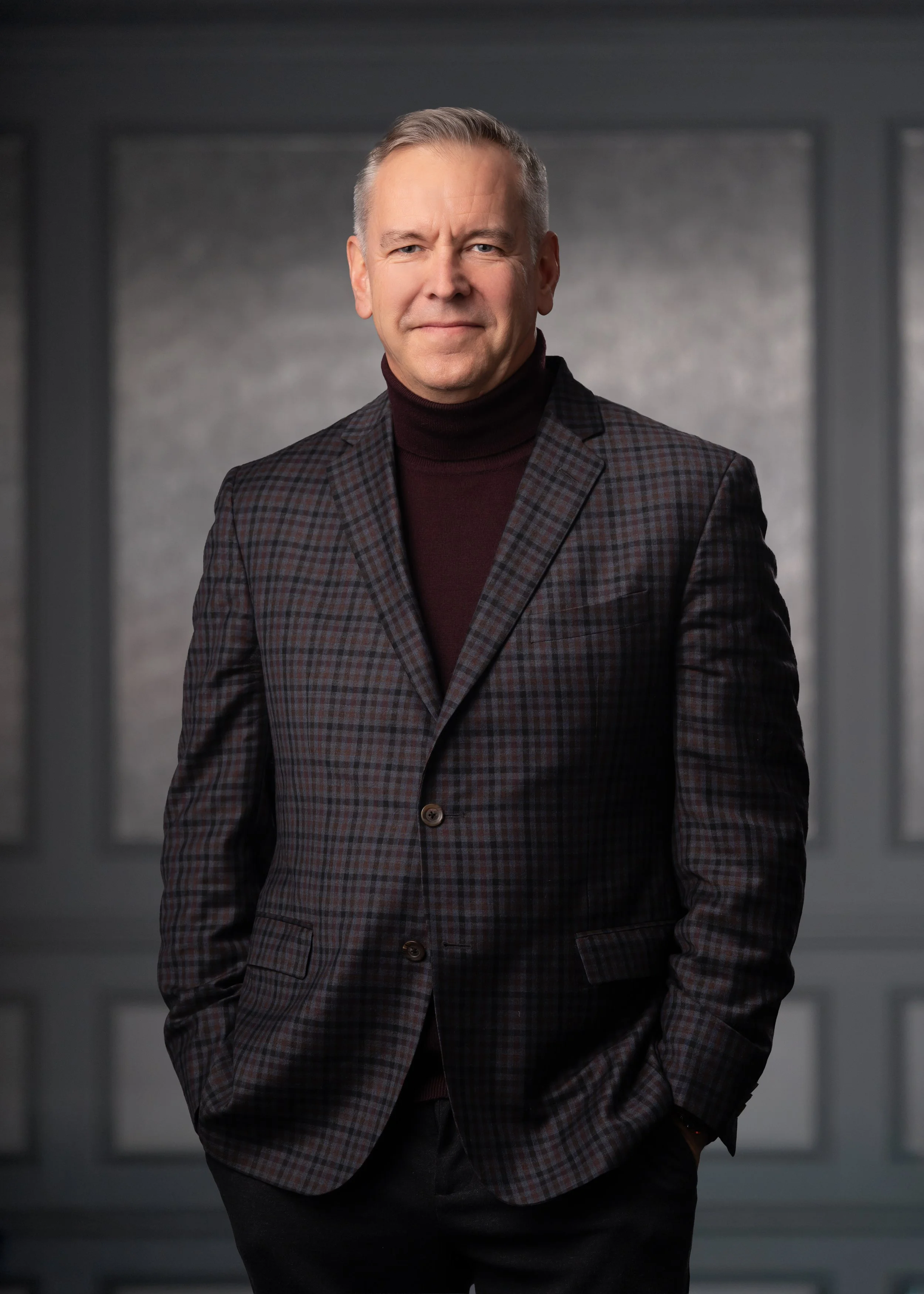
Tim Brown K.C.
Tim Brown, K.C. was appointed Executive Director of the Law Society of Saskatchewan in January 2017 to lead a staff of 40 and oversee, facilitate and guide a leadership policy board of 23 Benchers, guiding the direction and regulation of Saskatchewan’s legal profession in the public interest.
Tim has practiced law in Saskatchewan for over 30 years and has gained a wide range of experience in both large and small firms, government and the legal aid system. He owned his own law firm and has acted as an adjudicator on tribunals. In private practice, he specialized in the area of criminal law, initially as a Prosecutor and then as a Defence Lawyer. Tim was Counsel with the Saskatchewan Lawyers’ Insurance Association for five years before becoming Executive Director at the Society.
In his role as Executive Director at the Society, he participates on national and multi-stakeholder boards and committees to promote the competence, integrity and relevance of the profession, while protecting and maintaining the public interest. Tim also enjoys public speaking with a desire to educate students and lawyers. He has presented numerous papers, instructed lawyers and students and moderated discussions for the Saskatchewan Legal Education Society Inc., Canadian Centre for Professional Legal Education, Saskatchewan Trial Lawyers Association, Law Society of Saskatchewan Continuing Professional Development programming and the Canadian Bar Association.
Tim graduated from the College of Law, University of Saskatchewan, in 1991 and received a K.C. designation in 2017.
Shalene Curtis-Micallef
Biography forthcoming.
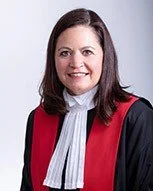
The Honourable Chief Justice Tracey K. DeWare
Honourable Tracey K. DeWare
Chief Justice of the Court of King's Bench of New Brunswick
Chief Justice Tracey K. DeWare studied at the University of New Brunswick, obtaining her LL.B. in 1994, and was admitted to the bar in 1995. She practised civil litigation for 17 years, primarily in insurance and medical malpractice.
She was an active member of the legal community, serving on the councils of both the New Brunswick Law Society and the Canadian Bar Association (New Brunswick Branch), and contributing to professional education and publications.
Appointed to the Court of Queen’s Bench of New Brunswick in 2012, she served in Campbellton, Woodstock, and Moncton (Family Division). She also held leadership roles within the judiciary, including chairing the Court’s Education and Strategic Planning Committees.
Chief Justice DeWare was appointed Chief Justice on June 3, 2019, and is presently the Vice Chair of the Canadian Judicial Council. Chief Justice DeWare sits on the Executive Committee and the Conduct Committee of the Canadian Judicial Council. Chief Justice DeWare chairs the Judicial Advisory Committee for the appointment of military judges.
Since her appointment as Chief Justice, she has focused on improving justice administration practices, modernizing the child protection adjudication model, and advancing measures to expedite civil proceedings - all to enhance access to meaningful justice. Her current focus is driving a bold re‑envisioning of the Court’s family justice system to be more child-focused, accessible, and effective for families across New Brunswick.
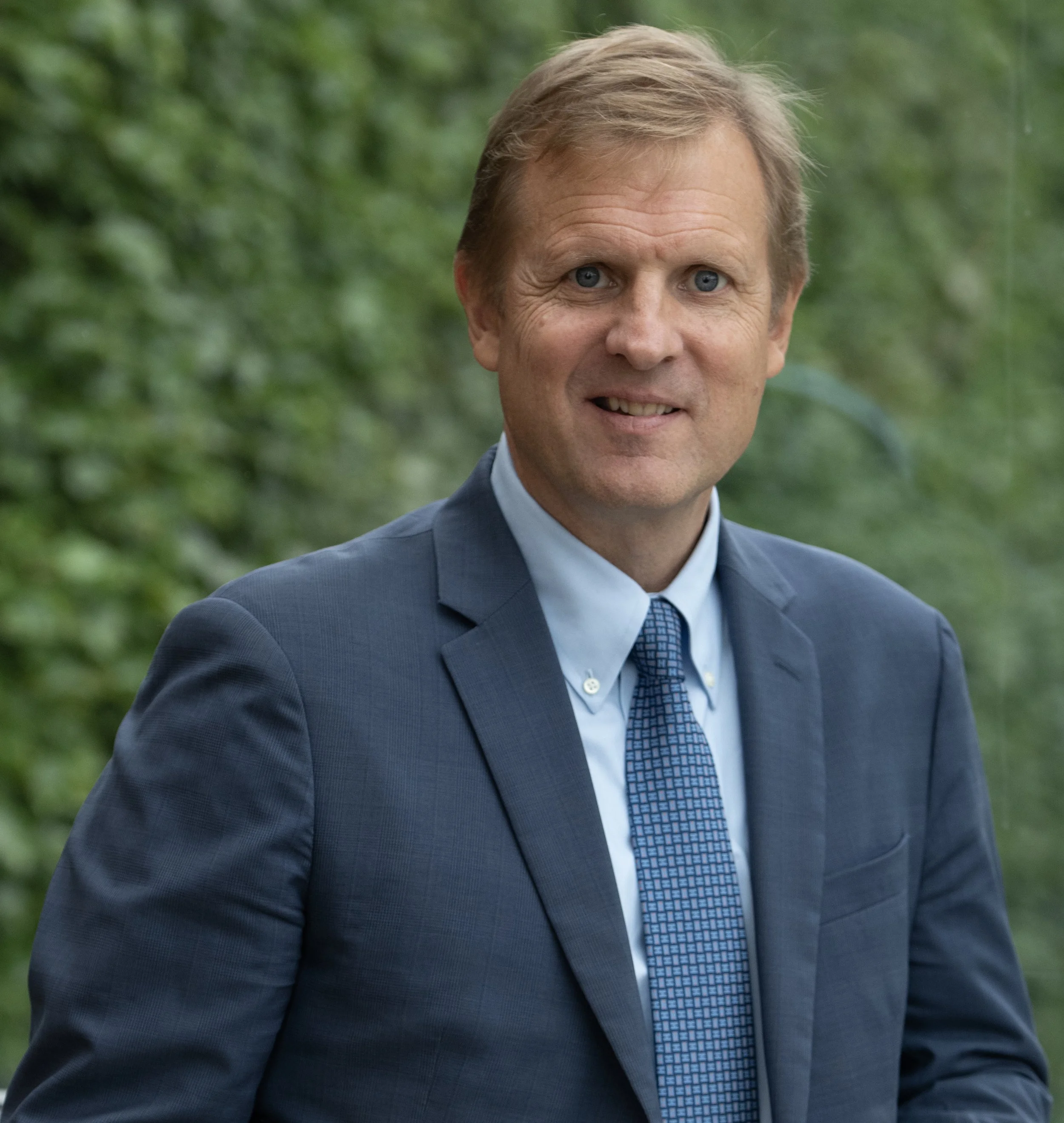
Trevor C.W. Farrow
Trevor Farrow is the Dean and a Professor at Osgoode Hall Law School.
Trevor C.W. Farrow, AB (Princeton), BA/MA (Oxford), LLB (Dalhousie), LLM (Harvard), PhD (Alberta), is the Dean and a Professor at Osgoode Hall Law School in Toronto. He is the Chair of the Canadian Forum on Civil Justice and was the founding Academic Director of the Winkler Institute for Dispute Resolution and former Director of the York Centre for Public Policy and Law. Professor Farrow is internationally recognized as a leading scholar on access to justice, legal process and the profession. His scholarship is widely published in Canada and internationally. He has taught and lectured at universities across Canada and around the world. Professor Farrow has received teaching awards from Harvard University and Osgoode Hall Law School. Professor Farrow was formerly a litigation lawyer in Toronto.
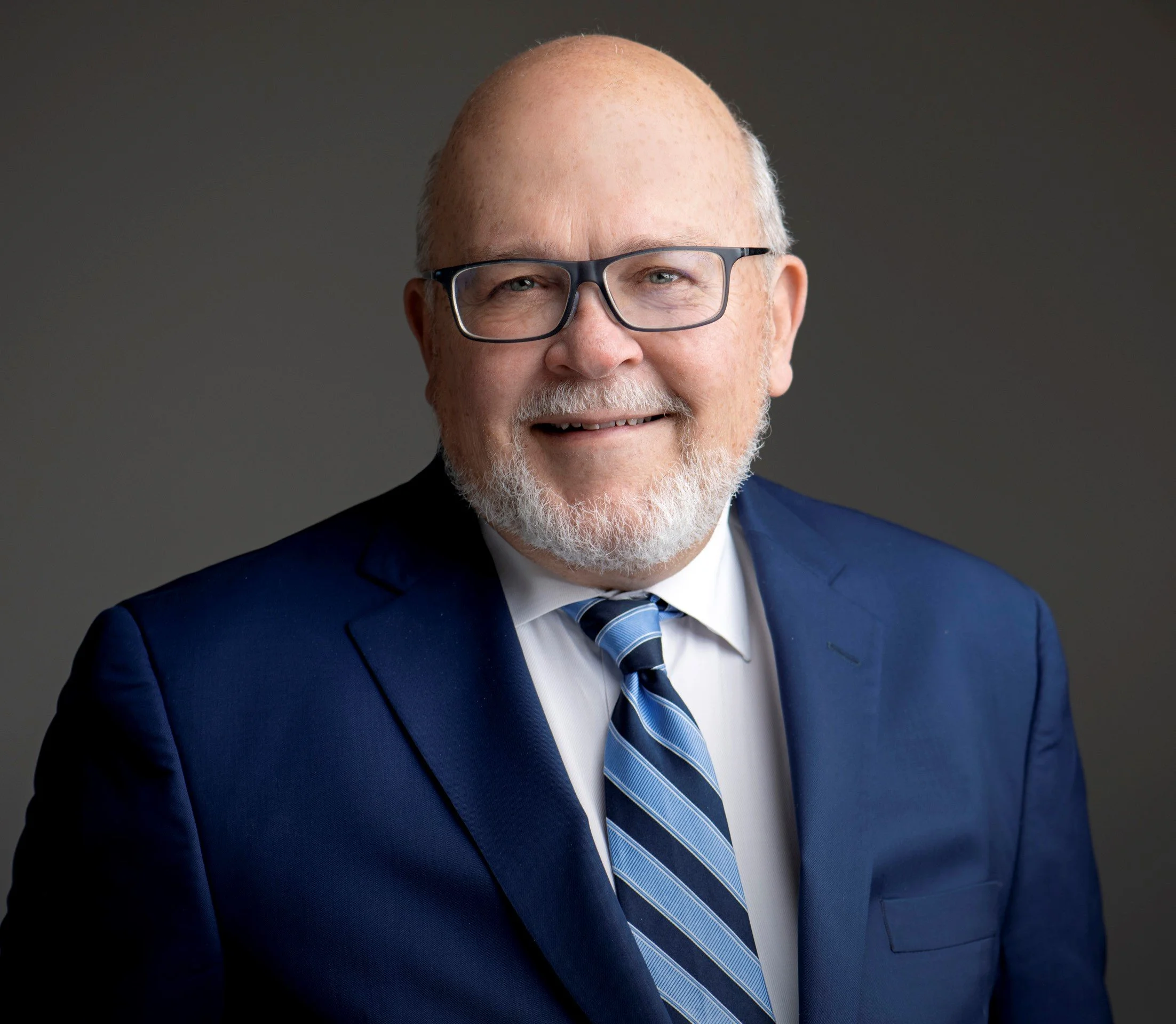
Doug Ferguson
Doug Ferguson is a passionate advocate for access to justice and organ donation. He serves on the Steering Committee of the Action Committee on Access to Justice and chairs its Research and Data Advisory Group, which organized this week’s conference.
Doug practised law privately for 20 years before becoming Director of the student legal clinic at the Faculty of Law at Western University, a role he held until 2020. It was there that he developed his enduring commitment to access to justice. He founded the Association for Canadian Clinical Legal Education and served as its first president.
With the Canadian Bar Association, Doug served on the Access to Justice Committee, authored a chapter in the landmark Reaching Equal Justice report, and chaired the Legal Aid Committee. He is a former director of the Ontario Bar Association and currently serves on its Council.
Doug continues to represent mental health patients and the Family Responsibility Office while also serving as a Small Claims Court judge and a member of a Law Society of Ontario Bar Exam Advisory Group.
A dedicated community leader, Doug has served as president of the Covent Garden Market during its redevelopment, president of the Canadian Club of London, and director of numerous community boards.
Doug is also a liver transplant recipient, an experience that deepened his commitment to organ donation. He served on the board of the Trillium Gift of Life Network and chaired the fundraising campaign for the transplant unit at University Hospital in London.

Brian Golden
Biography forthcoming.
Patricia Hebert
Biography forthcoming.
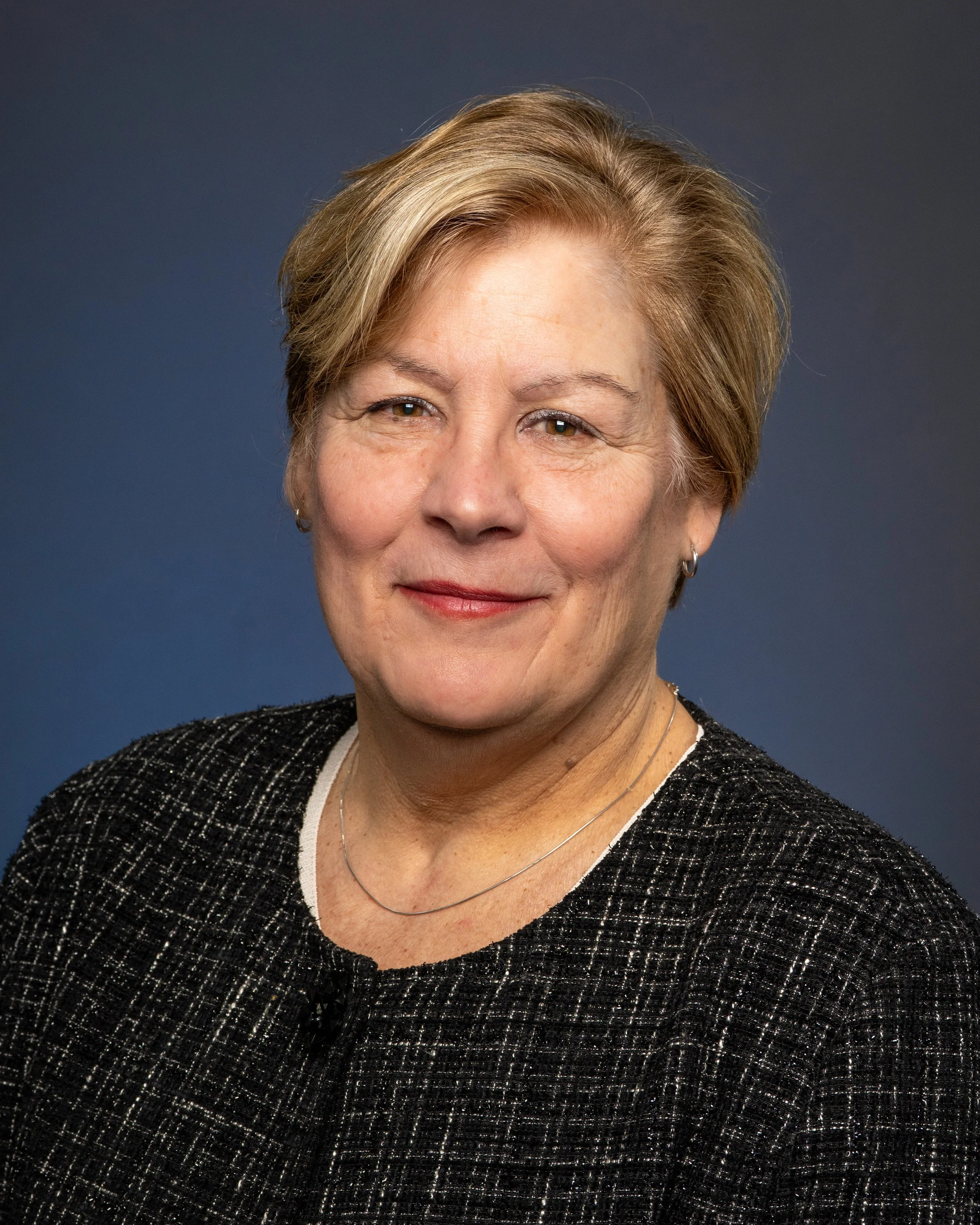
Marie-Josée Hogue
Marie-Josée Hogue a été nommée sous-ministre de la Justice et sous-procureure générale du Canada le 2 février 2026.
Elle exerçait auparavant les fonctions de juge puînée à la Cour d’appel du Québec, poste qu’elle a occupé à compter du 19 juin 2015.
En plus de ses fonctions judiciaires, Marie-Josée a occupé le poste de commissaire de l’Enquête publique sur l’ingérence étrangère dans les processus électoraux et les institutions démocratiques fédéraux de septembre 2023 à mars 2025.
Marie-Josée a obtenu un baccalauréat en droit civil de l’Université de Sherbrooke en 1986 et, à la fin de ses études, s’est vu décerner la médaille Albert-Leblanc de la Faculté de droit. Elle a été admise au Barreau du Québec l’année suivante. Elle est également titulaire d’un diplôme d’études supérieures spécialisées en éthique appliquée du Département de philosophie et d’éthique appliquée de l’Université de Sherbrooke.
Marie-Josée a été associée au sein du cabinet McCarthy Tétrault s.r.l. de 2014 à 2015, et auparavant au sein du cabinet Heenan Blaikie s.r.l., où elle a travaillé à partir de 1987 et est devenue associée en 1995. De 1988 à 1989, pendant un congé de Heenan Blaikie, elle a agi comme auxiliaire juridique auprès de l’honorable Antonio Lamer à la Cour suprême du Canada. Elle s’est spécialisée en litige commercial et des sociétés, en contentieux civil et en responsabilité professionnelle. Elle a également exercé dans les domaines du droit administratif et du droit constitutionnel. Elle a comparu devant toutes les instances judiciaires civiles du Québec et devant la Cour suprême du Canada, et a fréquemment comparu devant des tribunaux d’arbitrage nationaux et internationaux.
Intronisée Fellow de l’American College of Trial Lawyers en 2009, Marie-Josée présidait la section québécoise de cet organisme au moment de sa nomination à la Cour d’appel. Elle est ensuite devenue Judicial Fellow. En 2012, elle a reçu la distinction Avocate émérite du Barreau du Québec.
Marie-Josée Hogue a fait partie de nombreux comités au sein du Barreau du Québec et du Barreau de Montréal, notamment du Comité de liaison avec la Cour d’appel du Barreau de Montréal. Elle a été membre du Fonds d’indemnisation du Barreau du Québec pendant de nombreuses années.
À titre de juge, elle s’est impliquée dans la formation continue offerte aux juges en exercice en collaborant, entre autres, à des formations offertes par l’Institut canadien d’administration de la justice et l’institut national de la magistrature.
—
Marie-Josée Hogue was appointed Deputy Minister of Justice and Attorney General of Canada on February 2, 2026.
She previously served as a puisne judge of the Court of Appeal of Quebec since June 19, 2015.
In addition to her judicial work, from September 2023 to March 2025, Marie-Josée served as the Commissioner of the Public Inquiry into Foreign Interference in Federal Electoral Processes and Democratic Institutions.
Marie-Josée received a Bachelor of Civil Laws from the Université de Sherbrooke in 1986 and, at the end of her studies, received the Albert-Leblanc Faculty of Law medal. She was admitted to the Bar of Quebec the following year. She also completed a specialized graduate program in applied ethics at the Université de Sherbrooke’s Department of Philosophy.
Marie-Josée was previously a partner at McCarthy Tétrault LLP from 2014 to 2015, and before that with Heenan Blaikie LLP, where she worked since 1987, becoming a partner in 1995. From 1988 to 1989, while on leave from Heenan Blaikie, acted as a Law Clerk to the Honourable Antonio Lamer of the Supreme Court of Canada. She specialized in corporate commercial litigation, civil litigation and professional liability. She also practised administrative law and constitutional law. She appeared before all levels of Quebec’s civil courts and the Supreme Court of Canada and frequently appeared before domestic and international arbitration tribunals.
Marie-Josée was admitted as a Fellow of the American College of Trial Lawyers in 2009 and was president of the Quebec chapter when she was appointed as a judge to the Court of Appeal. She subsequently became a Judicial Fellow. In 2012, she received the Advocatus Emeritus distinction from the Bar of Quebec.
Marie-Josée was a member of numerous committees at both the Bar of Quebec and the Bar of Montreal, including the Bar of Montreal’s Liaison Committee with the Court of Appeal. She was a member of the Bar of Quebec’s Compensation Fund for many years.
As a judge, she was involved in training for judges, collaborating, among other things, on training courses offered by the Canadian Institute for the Administration of Justice and the National Judicial Institute.
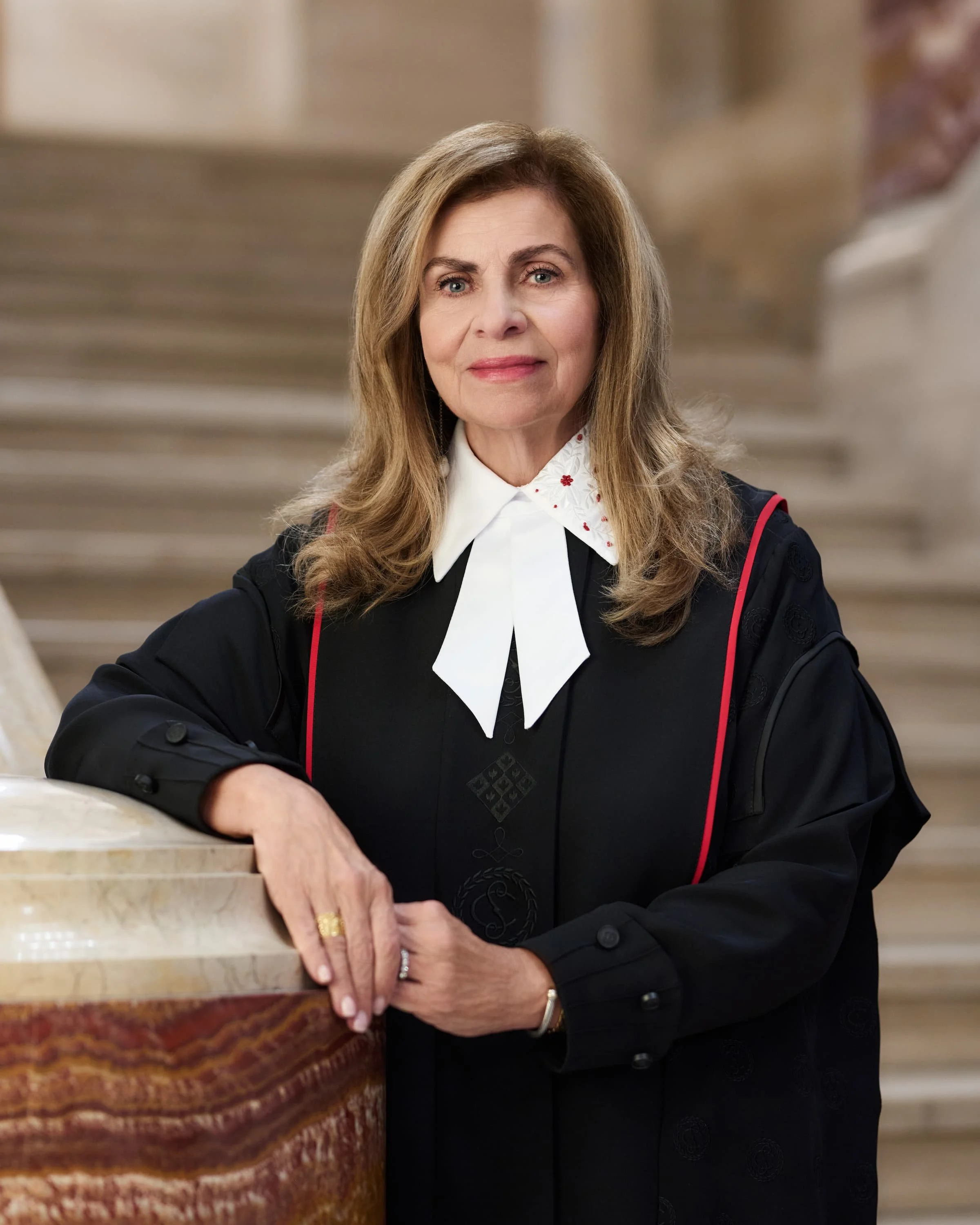
The Honourable Andromache Karakatsanis
Justice Andromache Karakatsanis is the longest serving justice of the Supreme Court of Canada, appointed in 2011. A judge since 2002, she served first as a trial judge of the Ontario Superior Court of Justice and then as a judge of the Ontario Court of Appeal. Before her appointment to the bench, she worked in the justice system in diverse capacities over two decades: as a lawyer in private practice; as Chair and CEO of a regulatory tribunal; as Secretary of Native Affairs for Ontario; and as Deputy Minister of Justice and Deputy Attorney General of Ontario. She subsequently served as Deputy Minister to the Premier, Clerk of the Privy Council and head of the Ontario Public Service, providing leadership to the Deputy Ministers and to 60,000 public servants.
Throughout her career, Andromache Karakatsanis has volunteered extensively and served on the boards of many community and professional associations. She has been recognized with numerous Medals and awards in her profession and community. She currently serves as Chair of the Action Committee on Access to Justice.
Brea Lowenberger
Brea Lowenberger is Strategic Advisor to the National Action Committee on Access to Justice; Saskatchewan's first Access to Justice Coordinator; Cofounder/Director of CREATE Justice, an access to justice action research lab at the University of Saskatchewan (U of S) that is working on transforming legal and justice services and the removal of systemic barriers to justice; and a sessional lecturer for the award-winning Dean’s Forum on Access to Justice and Dispute Resolution course at the U of S.
Catherine McKinnon
Biography forthcoming.
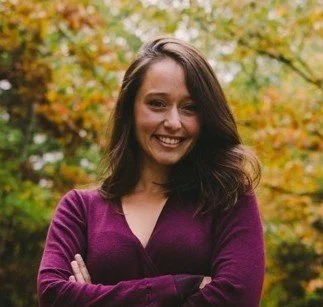
Véronique Morissette
Véronique Morissette (she/her) is the inaugural Executive Director of the Action Committee on Access to Justice, a national, cross-sector initiative that convenes leaders from the legal sector to advance people-centred justice in Canada. Véronique previously led the social justice advocacy portfolio at the Canadian Bar Association. Before moving into advocacy, she practised family and civil litigation in both Legal Aid and the private sector, and was a Senior Advisor in equity, diversity, and inclusion policy at the Social Sciences and Humanities Research Council (SSHRC). She holds an LL.M. in Social Justice and an LL.L. from the University of Ottawa, and works fluently in French and English. Most cherished of all her roles, she is the mother of two young boys, which frequently feels less like parenting and more like running a neighborhood daycare while serving as referee in heated Messi–Ronaldo debates.
-
Véronique Morissette (elle) est la directrice générale inaugurale du Comité d’action sur l’accès à la justice, une initiative nationale et intersectorielle qui réunit des leaders du milieu de la justice afin de faire progresser une justice centrée sur les personnes au Canada. Véronique a précédemment dirigé le portfolio en justice sociale à l’Association du Barreau canadien. Avant de se consacrer à la réforme du droit, elle a exercé en litige familial et civil, tant à l’aide juridique qu’en pratique privée, et a occupé un poste de conseillère principale en politiques d’équité, de diversité et d’inclusion au Conseil de recherches en sciences humaines (CRSH). Elle est titulaire d’une maîtrise en droit avec concentration en justice sociale ainsi que d’un LL.L. de l’Université d’Ottawa, et travaille couramment en français et en anglais. Le rôle qu’elle chérit le plus demeure toutefois celui de mère de deux jeunes garçons — une expérience qui ressemble parfois plus à la gestion d’une garderie de quartier, ponctuée d’arbitrages dans de vifs débats Messi/Ronaldo.
Margo Nightingale
Biography forthcoming.
Christine O’Doherty
Biography forthcoming.
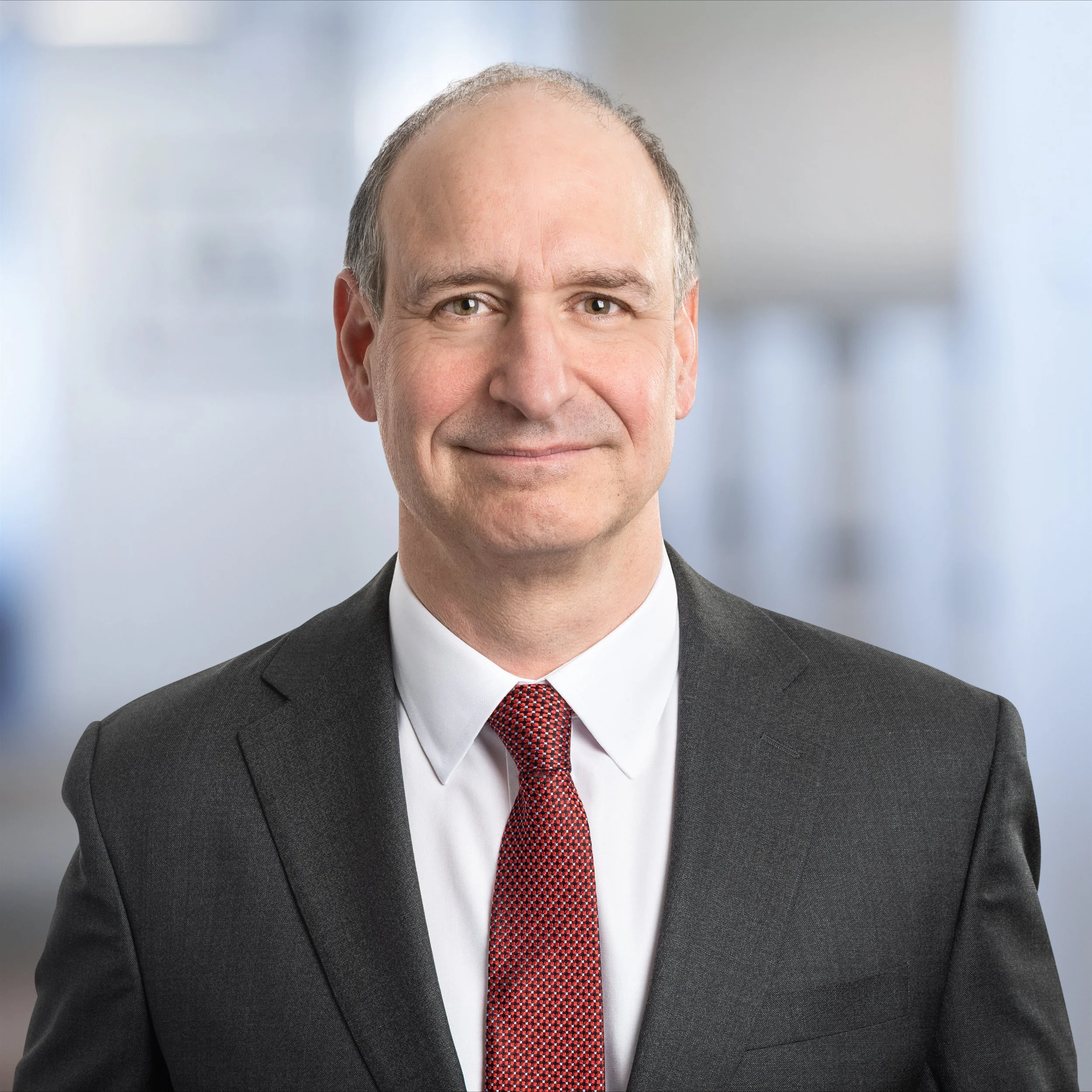
L’Honorable Frédéric Pérodeau, j.c.s.
Frédéric Pérodeau est le juge coordonnateur du district de Montréal de la Cour supérieure du Québec. Son parcours atypique lui a permis d’observer le système de justice sous différents angles : avocat de pratique privée, conseiller juridique d’entreprise, directeur d’une équipe de poursuivants publics, régulateur et magistrat. Afin de faire le pont entre son expérience de gestion et la fonction judiciaire, il a suivi au cours des dernières années le Judicial Executive Leadership Program d’Harvard Law School, le Judicial Executive Programme du Singapore Judicial College et le programme de transformation numérique des organisations offert par l’école d’ingénierie de l’Université Stanford. Il s’intéresse activement à la participation citoyenne dans le système de justice et croit au leadership au service des autres.
***
Frédéric Pérodeau is the Coordinating Judge for the Montréal District of the Superior Court of Québec. His unconventional career path has allowed him to observe the justice system from different perspectives: as a lawyer in private practice, in-house counsel, director of a team of public prosecutors, regulator, and judge. To bridge the gap between his management experience and his judicial role, he has completed, in recent years, the Judicial Executive Leadership Program at Harvard Law School, the Judicial Executive Programme at the Singapore Judicial College, and the Digital Transformation Program offered by the Stanford University School of Engineering. He has a strong interest in citizen participation in the justice system and believes in servant leadership.
Andrew Pilliar
Andrew Pilliar is the Research Director at the BC Access to Justice Centre for Excellence (ACE), located at the University of Victoria. Previously he was an Associate Professor at the Thompson Rivers University Faculty of Law. Andrew holds a PhD and LLM in law from UBC, a JD from the University of Toronto, and a science degree from Queen’s University. He has been a visiting researcher at Central European University and at the University of Otago, has been an Action Canada Fellow, and was a Junior Fellow of Massey College.
Andrew’s research on access to justice has included mapping and modeling the supply of and demand for legal services in Canada, a case study of an innovative legal services organization, and research projects on public legal education and information, self-represented litigants, the motivations and experiences of pro bono lawyers, and justice epidemiology and how knowledge about the legal system is structured. He has presented on these topics to law students, lawyers, mediators, and judges across Canada and internationally.
Andrew is grateful to currently reside in Vancouver on the traditional and unceded lands of the xʷməθkʷəy̓əm (Musqueam), Sḵwx̱wú7mesh (Squamish), and səl̓ilw̓ətaʔɬ (Tsleil-Waututh) peoples.
Bob Rae
Biography forthcoming.
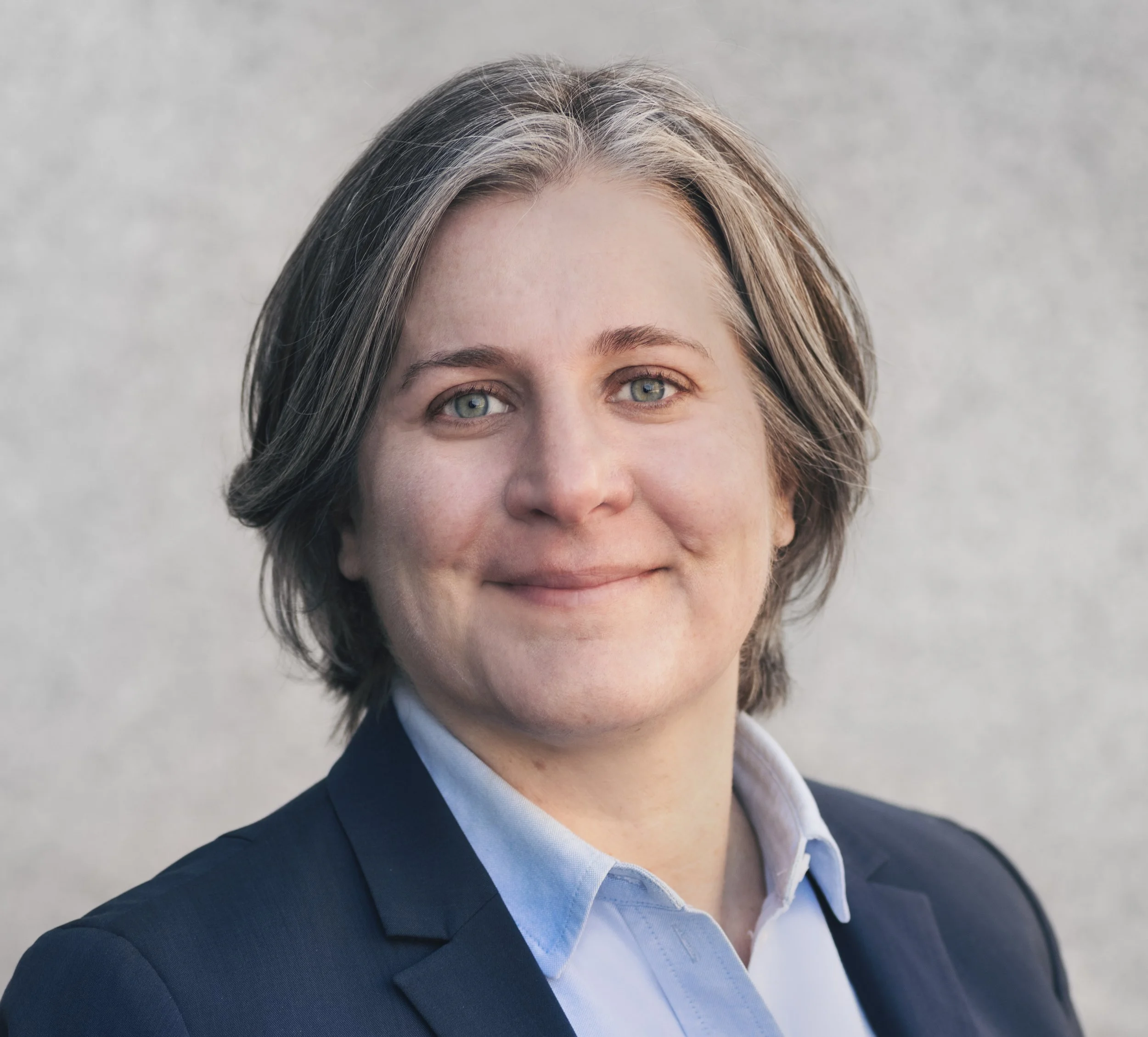
Amy Salyzyn
Amy Salyzyn is an Associate Professor at the Faculty of Law, Common Law Section at the University of Ottawa. Amy is an expert in the area of legal ethics, lawyer regulation, the use of technology in the delivery of legal services and access to justice. At the University of Ottawa, she teaches Torts as well as upper year seminars in legal ethics and the use AI in the legal profession. Amy is called to the bar in Ontario and is currently the Board Chair of the Canadian Association for Legal Ethics. Before coming to the University of Ottawa, Amy served as a judicial law clerk at the Court of Appeal for Ontario and practiced at a Toronto litigation boutique. Her litigation practice included a wide variety of civil and commercial litigation matters including breach of contract, tort, professional negligence, securities litigation and employment law as well as administrative law matters. Amy received her J.S.D. and LL.M. from Yale Law School and her J.D. from the University of Toronto Law School, where she was awarded the Dean’s Key upon graduation. In 2026, Amy received the Law Society Medal from the Law Society of Ontario and was named as a “Changemaker” in the 2026 edition of Canadian Lawyer's Top 25 Most Influential Lawyers.
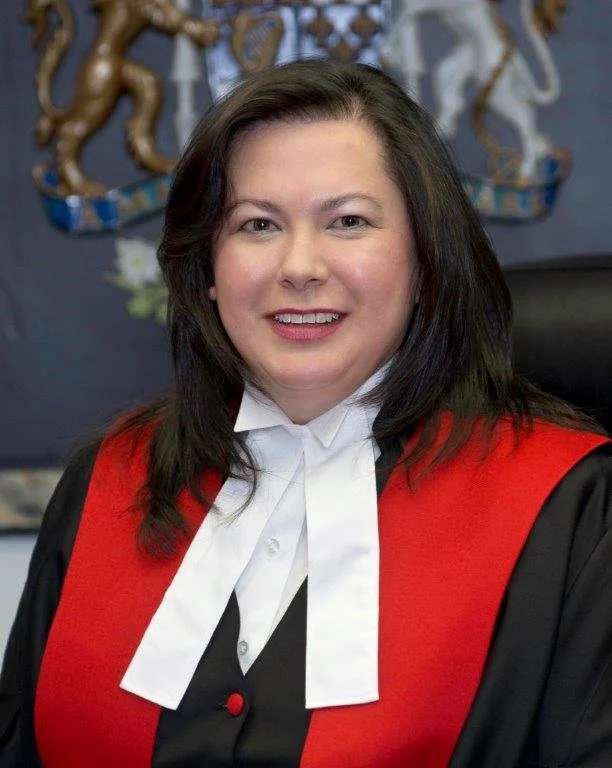
The Honourable Chief Justice Shannon H. Smallwood
The Honourable Chief Justice Shannon Smallwood was appointed to the Supreme Court of the Northwest Territories and to the Courts of Appeal of the Northwest Territories, Nunavut and Yukon in 2011. She was appointed to the position of Chief Justice of the Supreme Court of the Northwest Territories in September 2022. She is a member of the Sahtu Dene from Fort Good Hope, Northwest Territories and was the first Indigenous Judge appointed in the Northwest Territories. Prior to her appointment, she worked as Counsel and later Senior Counsel and Team Leader for the Public Prosecution Service of Canada. As a Crown Prosecutor, she worked mainly on appeals, homicides, dangerous offender, child pornography and sexual offence files. She attended the University of Calgary and received her Bachelor of Arts in 1993 and Bachelor of Laws in 1999. She articled with the Alberta Court of Appeal and Court of Queen’s Bench in Calgary as well as the Department of Justice Canada in Yellowknife.
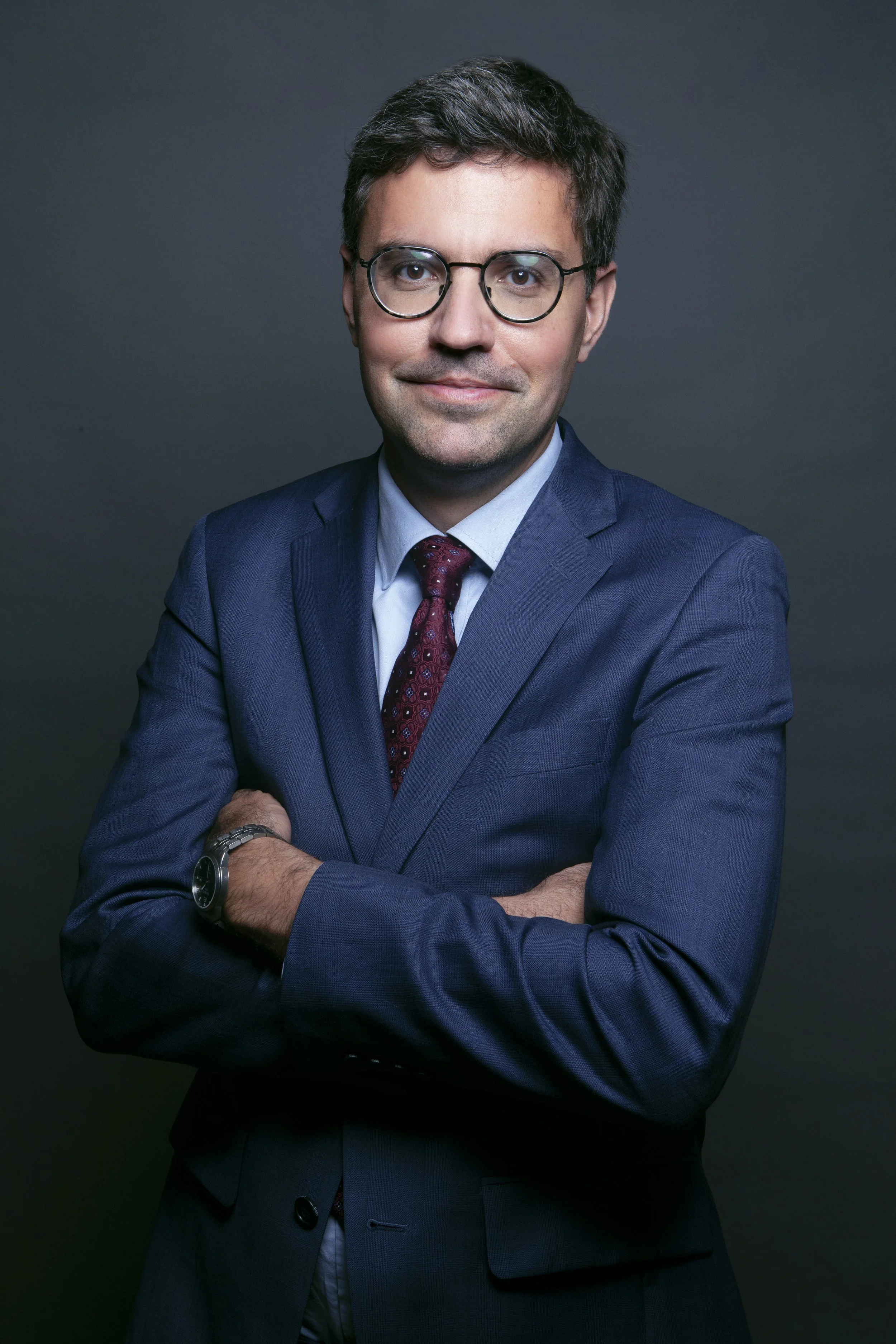
Philippe-André Tessier
Me Philippe-André Tessier
Me Philippe-André Tessier est sous-ministre associé, au sous-ministériat des orientations, de l’accès à la justice et de la performance au ministère de la justice, depuis septembre 2025.
Diplômé de l’Université de Montréal en droit, en relations industrielles et en sciences de la communication, Me Tessier est membre du Barreau du Québec. Il est également titulaire de la désignation d’Administrateur de sociétés certifié (ASC).
De 2001 à 2017, il a œuvré chez Robinson Sheppard Shapiro et sa pratique était axée sur le droit du travail et de l’emploi ainsi que le droit administratif.
Il a été nommé vice-président de la Commission des droits de la personne et des droits de la jeunesse en 2017 avant d’être nommé président par l’Assemblée nationale en 2019.
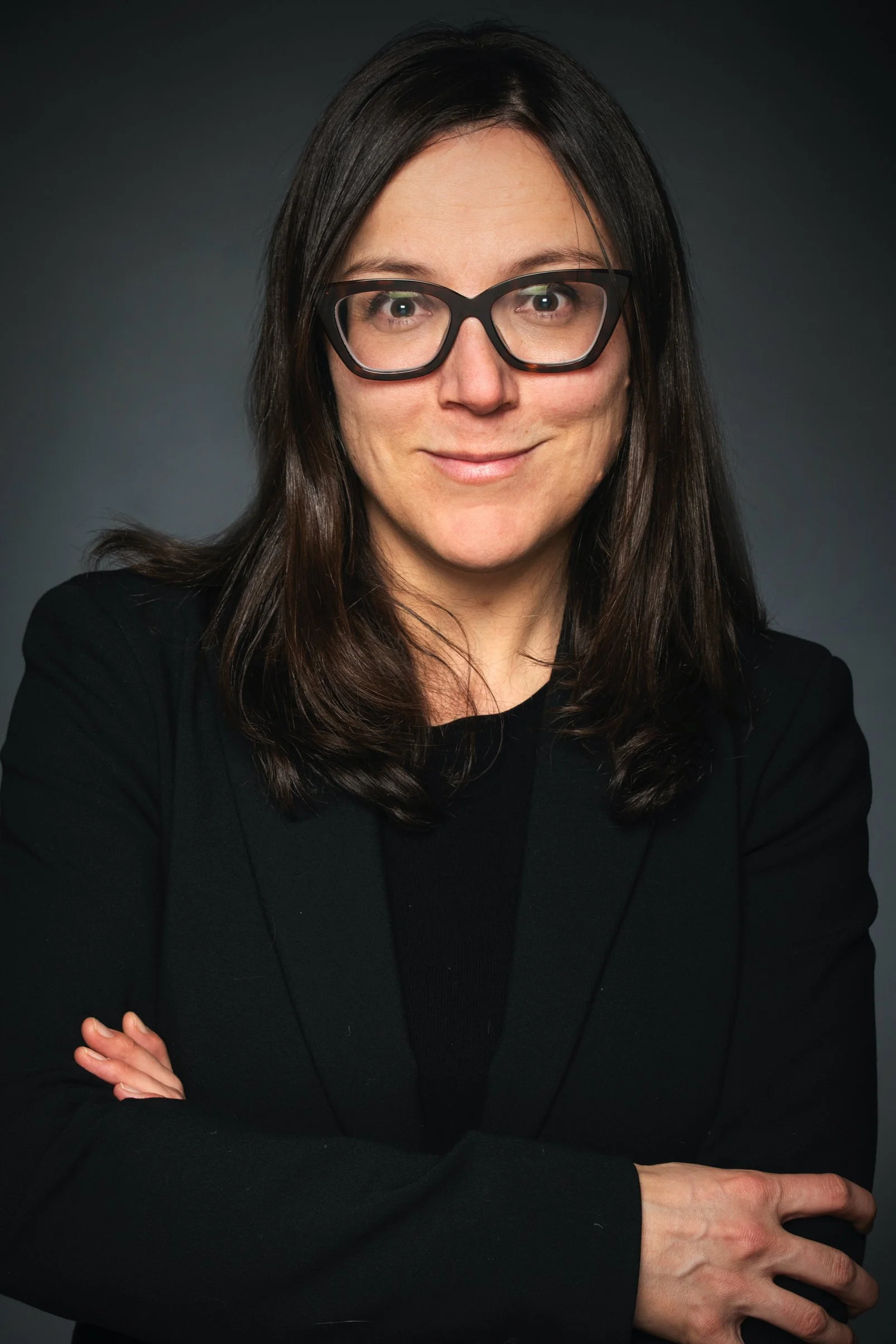
Sophie Thériault
Sophie Thériault is Dean and Full Professor at the Faculty of Law (Civil Law Section) of the University of Ottawa. She previously served as Vice-Dean, Academic (2019-2023), and Vice-Dean, Graduate Studies in Law (2015-2017). She is also a member of the Barreau du Québec. Her research focuses on Indigenous peoples’ rights in the context of natural resource development; Indigenous environmental governance and the interactions between Indigenous and state legal orders; and environmental justice and rights, particularly as they relate to Indigenous peoples. As Dean, she advances a vision of legal education and research that is globally engaged, attentive to the diversity of legal traditions, and deeply committed to the communities it serves.
Sophie Thériault est doyenne et professeure titulaire à la Faculté de droit (Section de droit civil) de l’Université d’Ottawa. Elle a précédemment occupé les fonctions de vice-doyenne aux études (2019-2023) et de vice-doyenne aux études supérieures en droit (2015-2017). Elle est également membre du Barreau du Québec. Ses recherches portent sur les droits des peuples autochtones dans le contexte de l’exploitation des ressources naturelles; la gouvernance environnementale autochtone et les interactions entre les ordres juridiques autochtones et étatiques; ainsi que la justice et les droits environnementaux, notamment en ce qui concerne les peuples autochtones. À titre de doyenne, elle porte une vision de l’enseignement et de la recherche en droit ouverte sur le monde, attentive à la diversité des traditions juridiques et profondément engagée auprès des communautés qu’elle sert.
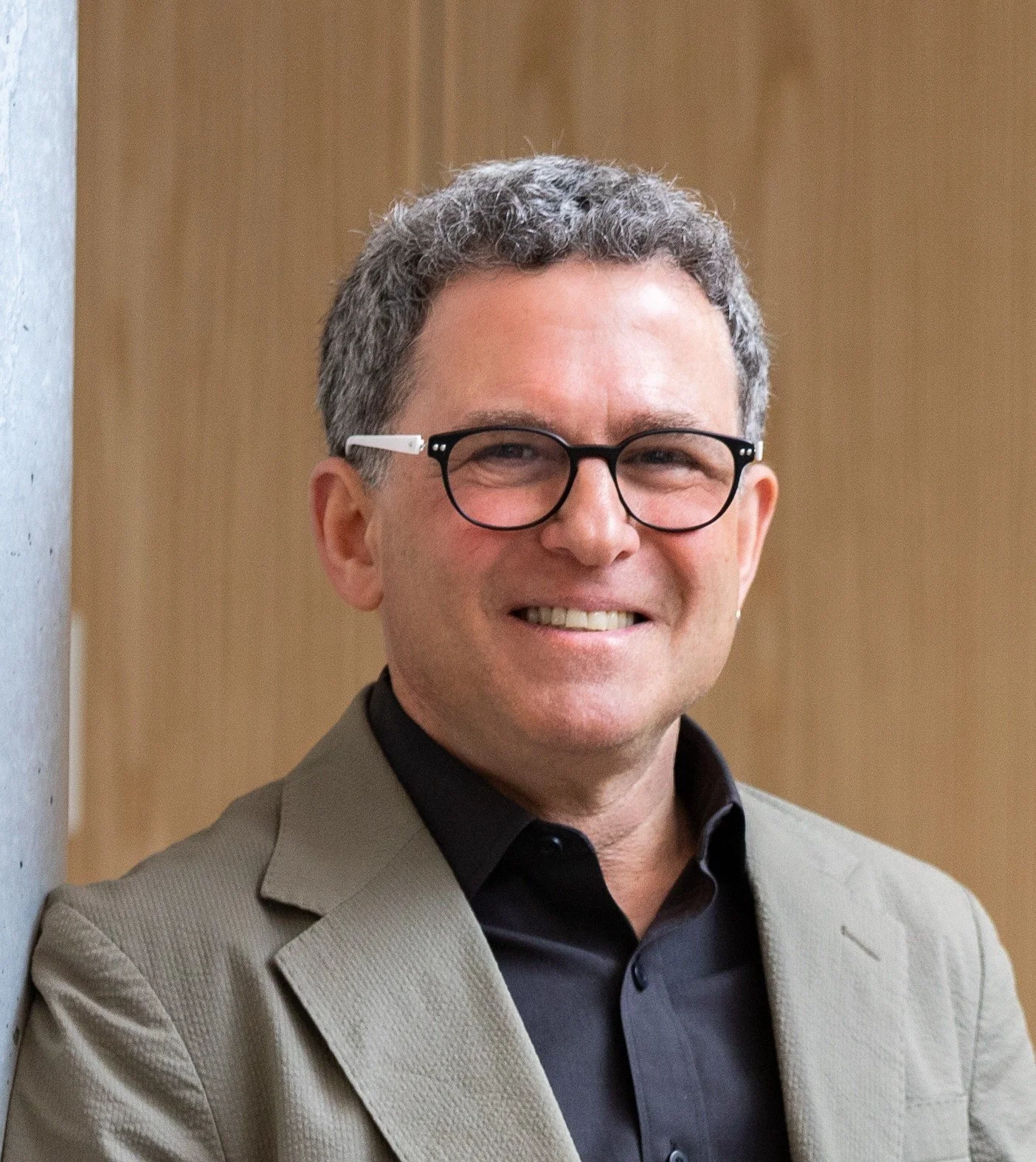
Joel Westheimer
Joel Westheimer is Professor of Democracy & Education at the University of Ottawa and one of the leading voices on the role of education in democratic life. His current research examines how young people understand democracy at a time of growing political polarization and rising populist nationalism. He co-founded Democratic Dialogue, a research collaborative dedicated to the exploration of democratic ideals in education and society. He is also an education columnist for CBC Radio. His books include What Kind of Citizen? Educating Our Children for the Common Good (2nd edition), Pledging Allegiance: The Politics of Patriotism in American schools (forward by Howard Zinn) and Among Schoolteachers. Westheimer is a Fellow of the Royal Society of Canada, an elected member of the National Academy of Education, and a Fellow of the American Educational Research Association.
Michelle Williams
Biography forthcoming